 Clermont Hub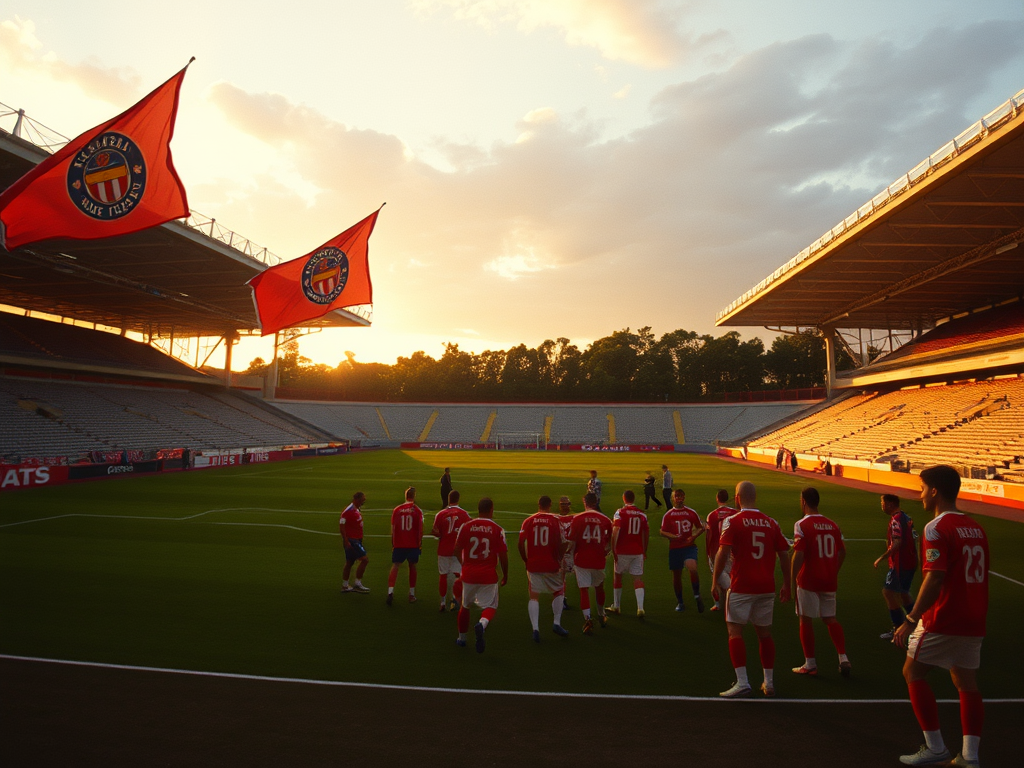
The year 1993 is often cited as a turning point for Clermont Foot, as the club sought to reinvent its identity and secure a lasting place in the landscape of French football. After several seasons of ups and downs, the club's management decided to focus on developing a strong core of local players and building a distinctive style of play. This approach not only strengthened the team but also revitalized supporter engagement, as fans began to identify with this new vision.
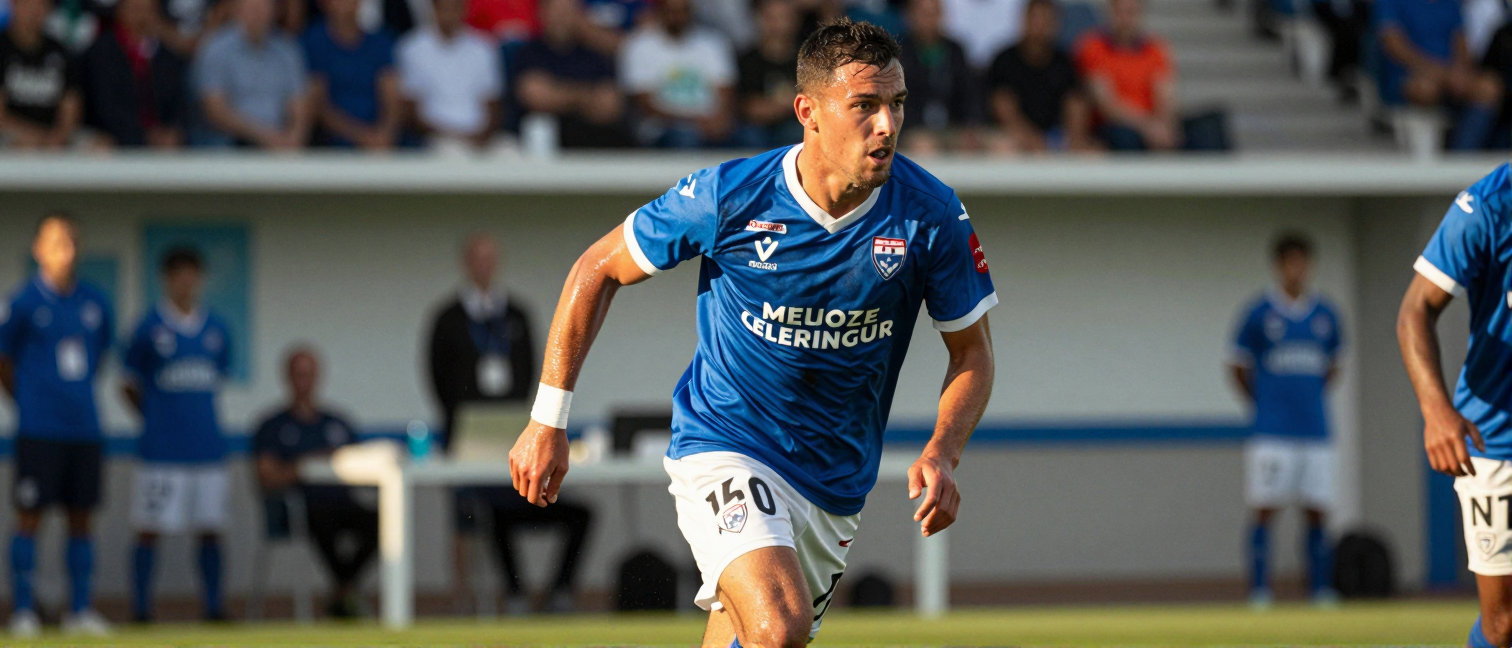
At the heart of this transformation was the arrival of coaches who understood the importance of youth development and integration of emerging talents. Stade Gabriel-Montpied, though modest, became a true cauldron where fans could witness the rise of a new generation of promising players. Les Lanciers began to play dynamic and engaging football, reminding supporters why they had fallen in love with the club in the first place.
Among the memorable moments of this era were victories against renowned teams in Ligue 2, allowing Clermont to make a name for itself. These successes on the pitch galvanized the local community and caught the attention of the media, which began to talk about the club as a model of resilience and innovation in a competitive league. Furthermore, rivalries, particularly with Grenoble Foot 38, gained new dimensions, adding excitement to each encounter.
Ultimately, 1993 was a year where Clermont Foot not only survived but thrived, laying the groundwork for a promising future. The bold choices made during this time allowed the club to reinvent itself, attract new talents, and strengthen its bond with its supporters. The lessons learned during this period continue to resonate today as Clermont Foot navigates the challenges of modern football.
Looking back, this era of transformation serves as a reminder for all supporters that success is not just about results on the pitch, but also about vision, passion, and a long-term commitment to the club and its community.